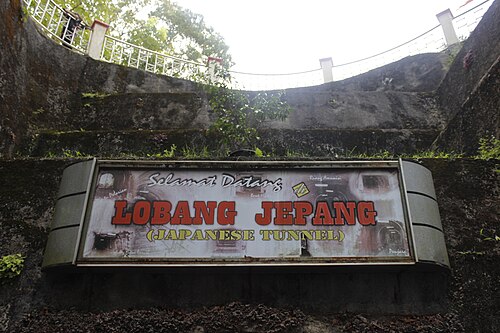
Imagine descending hundreds of steps into a dark underground tunnel: the damp air brushing against your skin, the echo of your footsteps, and every corridor holding traces of the sorrowful struggle of the Indonesian people. This is the experience that awaits you at the Japanese Tunnel, one of the most iconic historical sites in Bukittinggi, West Sumatra.
Located within the Panorama Park area, this place is far more than an underground passage. It stands as a silent witness to the Japanese occupation during World War II—a time when thousands of locals were forced into labor without pay, food, or mercy. Today, the Japanese Tunnel has become a destination that blends education, reflection, and adventure, leaving a profound impression on every visitor.
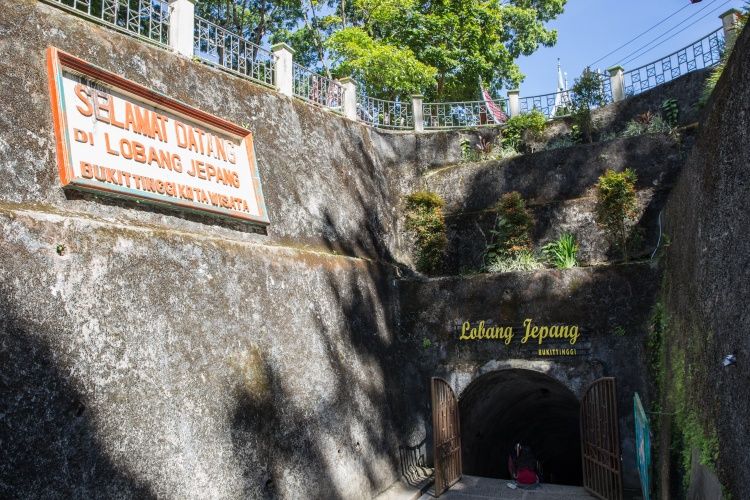
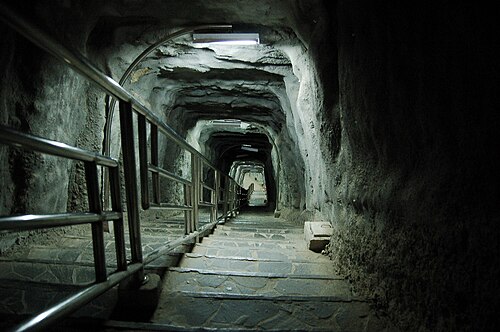
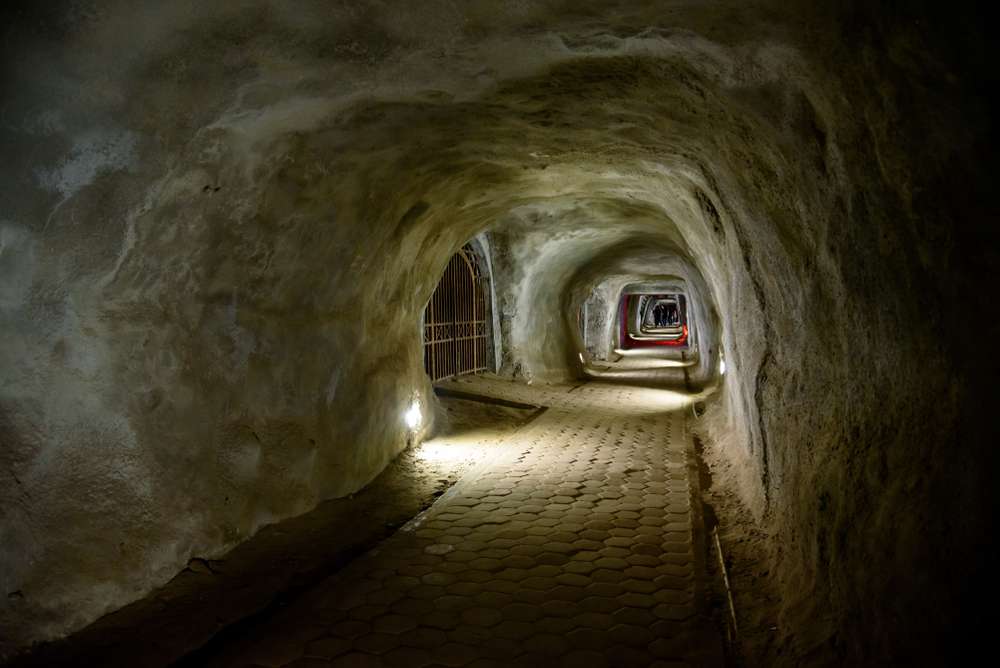
Your journey begins with 132 steps leading you to the tunnel’s entrance. The enveloping darkness, the damp stone walls, and the whisper-like atmosphere of each corridor guide you as you explore. Inside, you will find a passage stretching nearly one and a half kilometers, complete with 21 small chambers once used as kitchens, ammunition rooms, prison cells, and escape routes. Walking through these narrow, dimly lit tunnels makes you feel transported to a time when the site was still fully operational.
Yet the journey does not end in the gripping underground atmosphere. As you step out of the darkness, an extraordinary contrast awaits: the breathtaking Ngarai Sianok spreading wide before your eyes, offering a refreshing breath after the somber history you have just uncovered. From Panorama Park, the lush cliffs and tranquil valleys remind you how history and beauty often coexist.
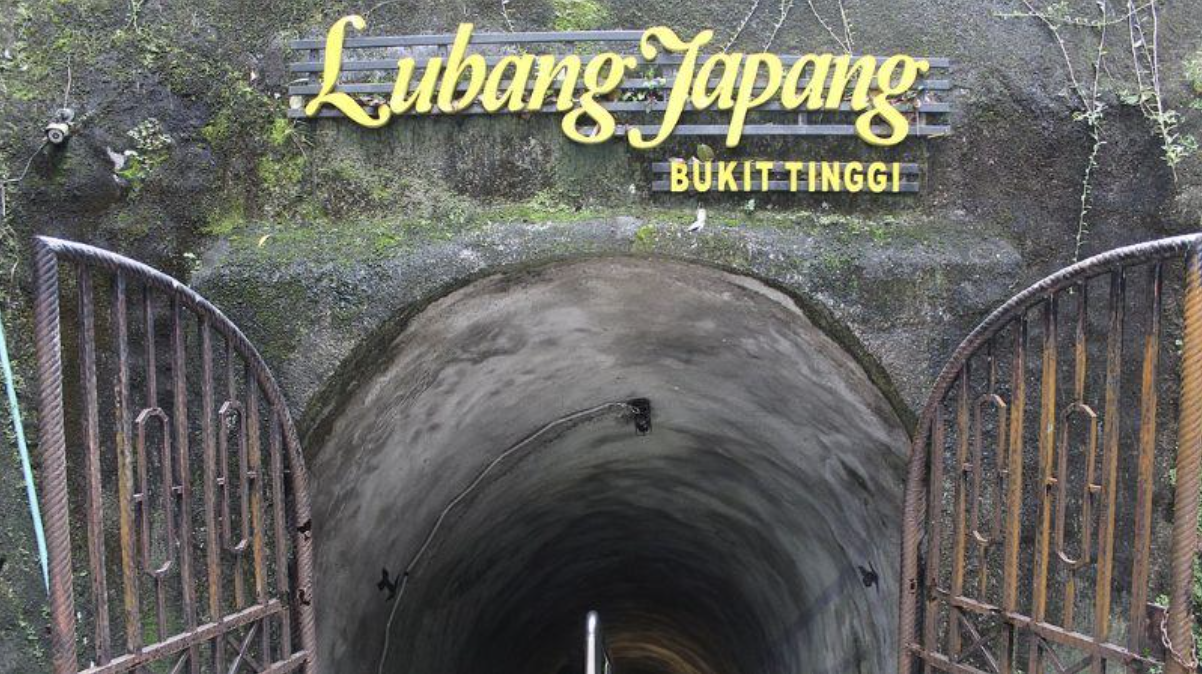
At the Japanese Tunnel, you can join a guide to learn about the function of each chamber and the stories behind them. Tales of the romusha—forced laborers during the occupation—become even more vivid as you walk through the spaces they once occupied. You can also take unique photos inside the dim corridors or at the iconic tunnel entrance. For some, the darkness and the mystical stories surrounding the site even offer a thrill akin to a courage test. Beyond all of that, the most valuable experience is the chance to reflect on the profound human history carved into this place.
Therefore, visit the Japanese Tunnel not only to see, but to feel and understand the traces of the past. Wear non-slip footwear, bring a small flashlight, and if you’re uncomfortable with dark or narrow spaces, come with friends or in a group. Morning is the best time to visit, when the air is cool and the atmosphere quieter. And of course, respect this historical site—do not damage, vandalize, or cause unnecessary noise.
Ultimately, the Japanese Tunnel is more than a tourist attraction—it's a spiritual journey. From the somber halls that echo stories of struggle and suffering to the serene natural beauty of Ngarai Sianok, every step invites you to reflect, understand, and admire the charm of Bukittinggi.
image source
https://medan.kompas.com/read/2022/01/15/131619378/lobang-jepang-bukittinggi-sejarah-isi-fungsi-dan-harga-tiket-masuk?page=all
https://id.wikipedia.org/wiki/Lubang_Jepang_Bukittinggi
https://interes.id/menyusuri-misteri-lubang-jepang-yang-menghujam-di-jantung-kota-bukittinggi/
https://atourin.com/destination/bukittinggi/lubang-jepang
https://en.wikipedia.org/wiki/Lobang_Jepang